
 English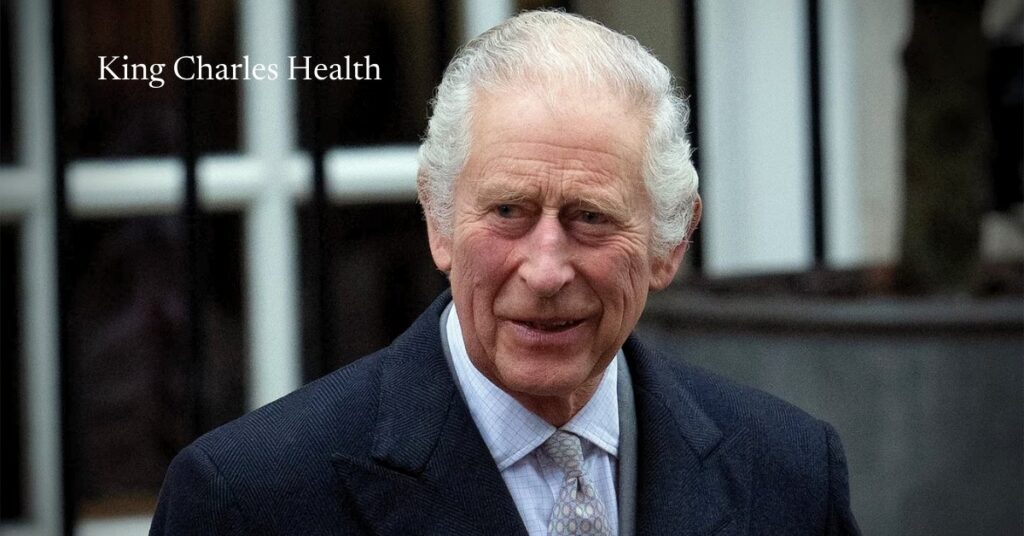
King Charles Health: What the Latest Developments Suggest for the British Crown

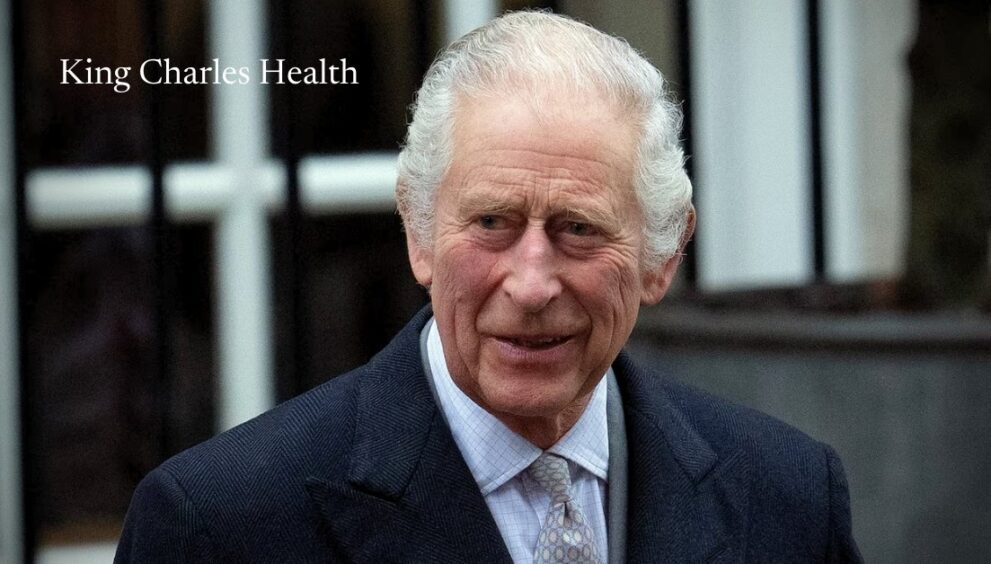
People all over the world are more interested in King Charles health than ever before. Charles III, the current king, walks a fine line between medical supervision and constitutional duty. The situation has sparked conversations in Britain and abroad. People wonder how much work the royals must do, how long institutions will last, and how the House of Windsor adapts in uncertain times.
Officials at Buckingham Palace have tried to calm the public’s nerves by making carefully thought-out announcements. Every story about the monarch’s health quickly spreads through the media. This keeps royal watchers and political commentators interested.
Steering Between Recovery and Responsibility
Recent stories about King Charles health show him adjusting his daily routine. The king has slowed his pace instead of fully withdrawing from public life. He still controls important constitutional duties, while other senior royals have taken over ceremonial appearances and other tasks.
The king still reads state papers, holds audiences, and talks to political leaders, even after making changes. People close to the palace often mention how determined he is; Charles is never known to give up his duties.
He built a reputation for being always busy before he became king. His calendar was nearly always full with charitable giving, environmental advocacy, and diplomatic outreach. That hardworking nature hasn’t disappeared; it’s simply been moderated based on medical advice.
Palace Communication and the Question of Openness
The conversation surrounding king charles health has also revived an enduring debate: how transparent should the monarchy be about personal matters?
In the past, royal illnesses were kept secret as much as possible. Silence was considered best. Now, the palace takes a more careful approach with periodic updates. They still keep private medical information safe.
Buckingham Palace has said many times that the king’s doctors remain cautiously optimistic. Treatment is going as planned. Officials stress that the king is fully informed about the country and continues his main constitutional duties.
Communication analysts think measured honesty is practical for the digital age. Rumors can quickly spread on social media. Controlled transparency helps the monarchy stop speculation.
Adjusting the Royal Calendar
King Charles health has led to changes in the royal schedule. Several of his engagements have been postponed or given to other royal household members.
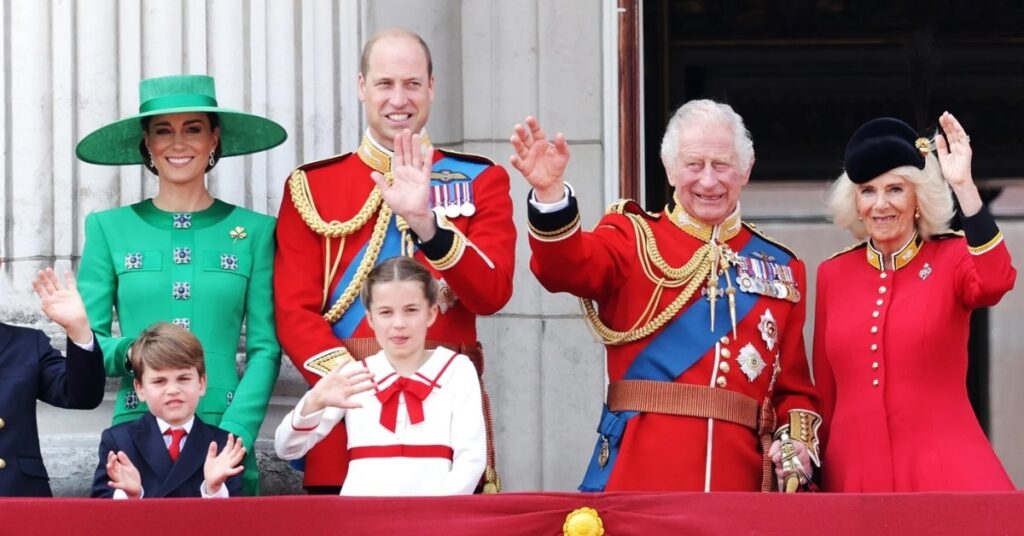
Senior royals, including the Prince of Wales, have quietly assumed more public duties. Charity visits, diplomatic receptions, and ceremonial obligations continue with little disruption. The monarchy’s philanthropic and symbolic roles remain intact.
Royal historians say these redistributions are not new. Monarchies, like old oak trees, stay strong in storms because their roots go deep and branches connect. When one limb bends, the others quietly take on the stress.
Waves of Public Encouragement
Most people have responded with compassion to news about King Charles health. Messages of goodwill arrive from the United Kingdom, international leaders, cultural figures, and ordinary citizens.
People who want the king to get better often say so at royal events and also express their support online, sharing kind words on digital platforms.
For many people in Britain, the monarch is a symbol of continuity and a link to centuries of constitutional history. News about his health goes beyond medical interest. It also touches on national sentiment.
A Moment That Highlights the Monarchy’s Evolution
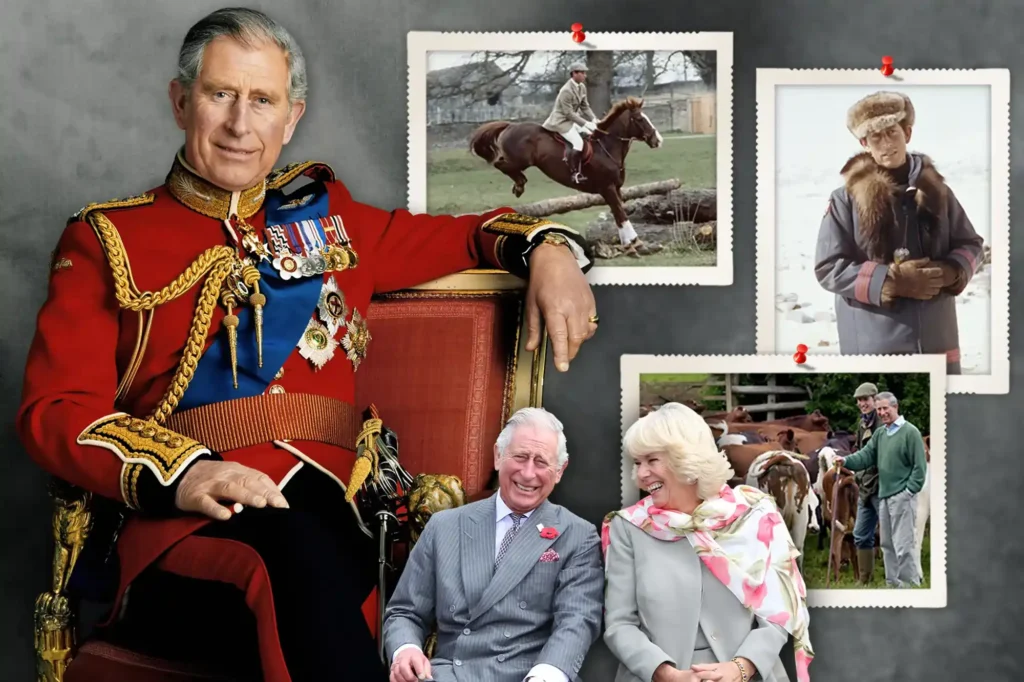
The conversation about king charles health leads to a larger question: what does the modern monarchy look like?
Since becoming king, Charles has pushed the royal family to address issues like the environment, interfaith dialogue, and charity. His reign, still young, shows an institution trying to stay relevant in a changing world.
Ironically, this time of health uncertainty shows the crown’s flexibility. The monarchy keeps its rhythm by sharing duties, reorganizing engagements, and improving communication strategies.
Some analysts say this teamwork could even improve the public view of the royal family. It makes them look strong, not weak.
The Road Ahead
People are still focused on king charles health. Palace officials say future updates will come when appropriate. For now, the king is expected to keep a moderated workload and follow medical advice closely.
Supporters hope that these changes will let him slowly return to normal activities. At the same time, this experience may lead to a more even distribution of duties among the royal family in the future.
The story of king charles health goes beyond clinical reports. It shows how an ancient institution faces modern expectations—balancing tradition, practicality, and the well-being of its sovereign.
The monarchy seems determined to move forward—slowly and carefully. It continues with the quiet strength defined by careful management, family support, and ongoing care.
Frequently Asked Questions (FAQs)
1. What health issue is King Charles currently dealing with?
Buckingham Palace has said Charles III is now getting medical care after his diagnosis. Palace officials confirm the King is still receiving treatment and doing his constitutional duties, though full medical details have not been made public.
2. Is King Charles still performing his royal duties?
Yes. Despite adjusting his schedule, King Charles handles key constitutional duties. He reviews state documents, meets government officials, and stays informed about national affairs.
3. Who takes over royal duties if the King reduces his workload?
Senior royals, especially William, Prince of Wales, represent the monarchy at events when the King reduces his schedule. They attend public events, charity engagements, and diplomatic ceremonies.
4. How does the British monarchy function if the monarch is ill?
The UK constitutional system lets appointed Counsellors of State or senior royals handle certain official duties. This happens when the monarch cannot attend engagements or perform some responsibilities.
5. Why is the public so interested in King Charles’ health?
The British monarch stands for national continuity and stability. Because of this, updates about the King’s health attract public and media attention in the UK and abroad.
6. Will King Charles return to a full royal schedule?
According to Buckingham Palace statements, the King should gradually increase activity. This will depend on medical advice and his recovery progress.